Breathtaking colors of our planet
Belts on the Mid North Coast
- Fast delivery across the Mid North Coast
- Stocked with trusted, quality brands
- Knowledgeable, hands-on customer support
Request a call back
Thank you for contacting Mid Coast Bearing Centre.
We will get back to you as soon as possible.
Oops, there was an error sending your message.
Please try again later.
Mid North Coast Belts
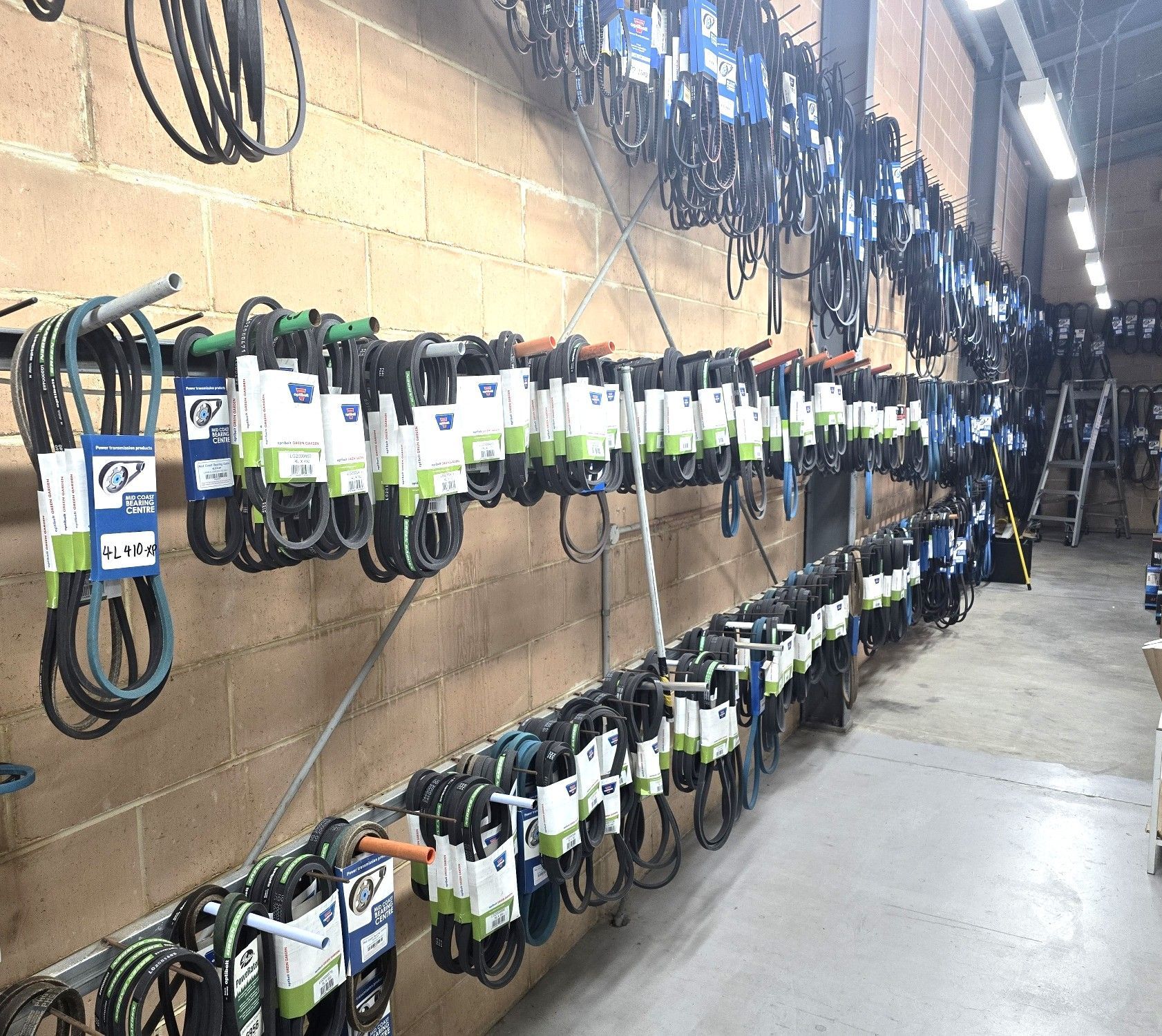
Keep your wheels spinning and your cogs turning with a long-lasting belt, provided by our expert team. When you choose Mid Coast Bearing Centre as your supplier, you can count on receiving quality products—tested to industry standards—and an exceptional service.
We understand how important it is to keep your machinery operating at full capacity, and our belts are sourced from trusted manufacturers to ensure durability and consistent performance across a wide range of applications.
We stock belts for a range of industries, including automotive, lawn mower, and agriculture machines. Whether you're after a drive belt, timing belt, or V-belt, we’ve got a wide selection available to suit different equipment types and operating conditions.
Our team will help you find the ideal belt size and type for your needs. To find out more, don’t hesitate to contact us today at 02 6552 3699. We also provide chains, pulleys, lubricants, seals, and much more.
Reliable Performance Guaranteed
Whether you're repairing a vehicle, maintaining farm equipment, or replacing a worn-out part on your ride-on mower, choosing the right belt is essential for reliable performance. At Mid Coast Bearing Centre, we stock a wide range of belts to suit all types of machinery, with expert guidance to help you find the right fit.
V-Belt:
Frequently found in cars and other vehicles, V-Belts come in either wrapped or cogged raw-edge modalities. These strengthening belts are great for agricultural machines, the construction industry, and residential equipment such as the Hubbell Lawnmower. Their design offers reliable power transmission while reducing slippage, making them a popular choice across industries.
Timing:
Producing the most precisely driven speeds on the market, timing belts are used for car engines, machine tools, and robotics. Their toothed design allows synchronised motion, crucial for applications requiring exact timing.
What is the difference between a V-belt and a timing belt?
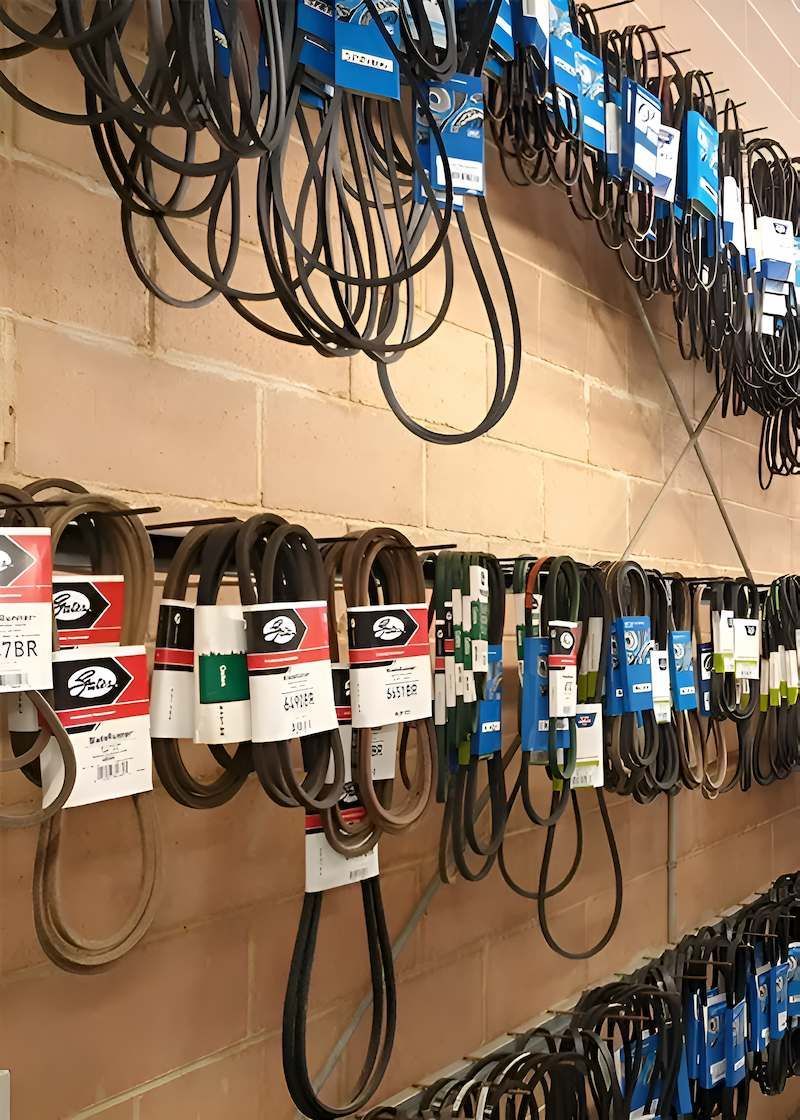
V-belts and timing belts serve different functions and are designed for different types of machinery. A V-belt is commonly used in mechanical systems where high power transmission is needed. Its wedge-shaped cross-section fits into pulley grooves, creating friction to transfer motion and reduce slippage. These belts are widely used in vehicles, lawn mowers, agricultural machines, and industrial equipment.
On the other hand, a timing belt has teeth along the inside surface and is designed to maintain precise timing between mechanical components. It ensures that parts like camshafts and crankshafts rotate in sync—particularly important in car engines and robotics. Timing belts offer high accuracy and prevent slippage, but they aren’t designed to handle as much torque as V-belts. Choosing the right belt depends on the specific application, load, and required precision.
How do I know what size belt I need for my equipment?
To determine the correct belt size, you’ll need to identify the belt’s length, width, and cross-sectional profile. This can often be found printed on the old belt, listed in the equipment manual, or determined by measuring the centre distance between pulleys and their diameters. For V-belts, measurements like the top width and the internal length are crucial. Timing belts may also require you to match the pitch (distance between the teeth), belt width, and number of teeth.
It’s important not to guess or stretch a belt to fit, as incorrect sizing can lead to slippage, early wear, or failure. If the original belt is unavailable or unreadable, use measuring tools or belt identification charts to match it accurately. Always verify the specifications before replacing a belt to ensure safe and efficient operation.
How often should drive belts be replaced?
The lifespan of a belt depends on its type, application, and operating conditions. On average, automotive belts (like V-belts or serpentine belts) should be inspected every 40,000–100,000 km and replaced if signs of wear appear. In industrial or agricultural machinery, belts may need replacing more frequently due to heavy loads, dirt, temperature changes, or exposure to oils and chemicals.
Common signs that a belt needs replacement include visible cracks, fraying, glazing, squealing sounds, or loss of tension. Timing belts, in particular, have specific replacement intervals based on hours of use or mileage and should be changed proactively to prevent catastrophic failure. Regular maintenance and inspection are key to identifying issues early and avoiding costly breakdowns.